

Introduction
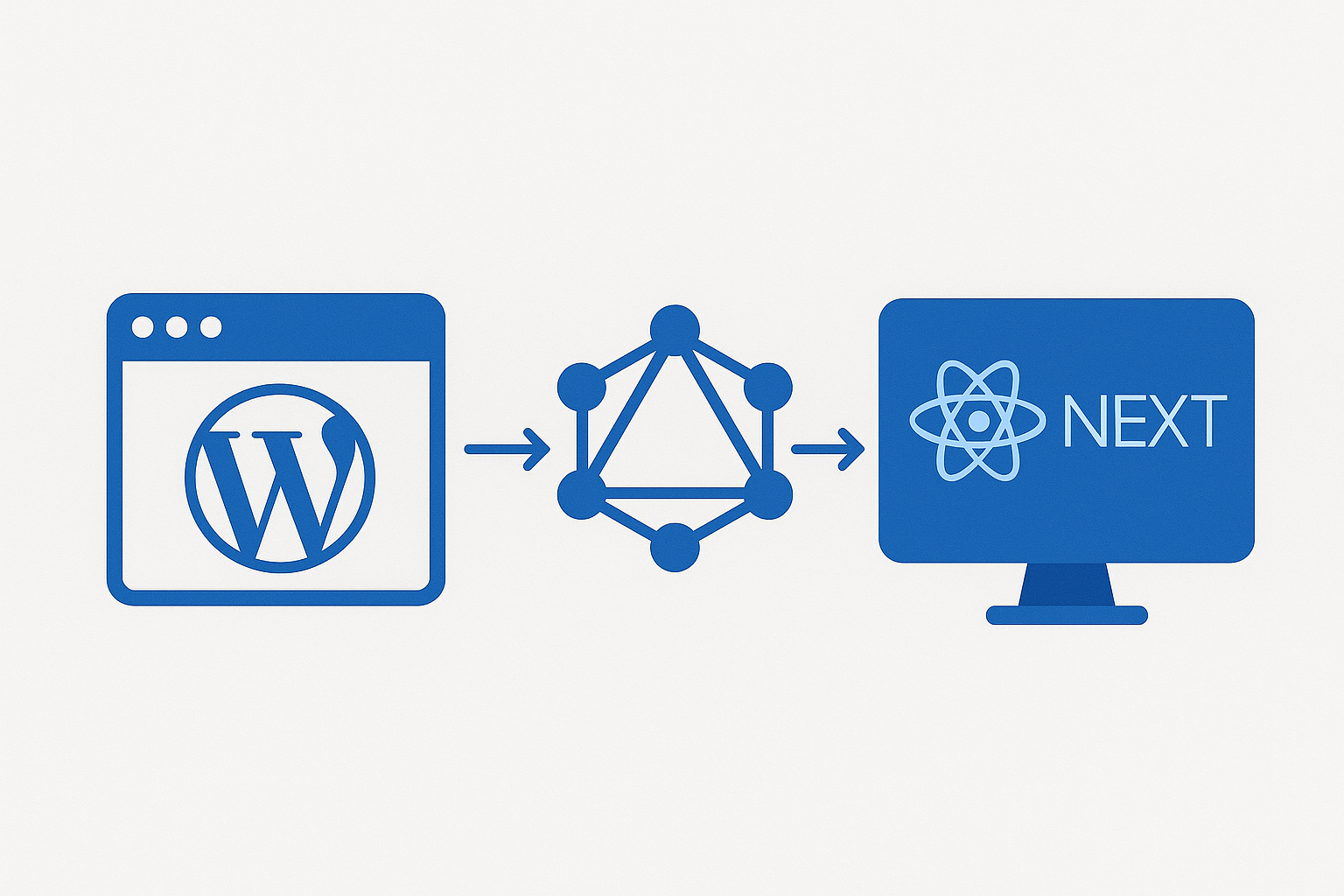
Headless WordPress has become a game-changer in modern web development. Instead of serving front-end pages directly, WordPress acts purely as a content management system (CMS), while frameworks like React, Vue, or Next.js handle the user interface. This shift provides unparalleled flexibility, performance, and scalability.
Why Headless WordPress?
- Faster Performance: Modern frameworks deliver blazing-fast page loads.
- Omnichannel Delivery: Content can be shared across apps, websites, and IoT devices.
- Developer Freedom: Front-end developers can use cutting-edge tools without WordPress limitations.
Key Steps to Implement
- Install WPGraphQL: Enables structured queries for retrieving content.
- Setup Authentication: Secure APIs with tokens and SSL.
- Connect Frontend: Use React or Next.js to fetch and display content.
- Optimize Performance: Implement caching layers like Redis and CDNs.
Challenges & Solutions
Performance Issues: Apply GraphQL query batching and cache responses.
API Security: Use JWT or OAuth2 authentication.
SEO Concerns: Implement server-side rendering with Next.js.

